2023 Ferrari Roma Preview, Specs & Price
The Italian sports vehicle maker Ferrari produces a grand tourer called the Roma 2023. It was revealed in November 2018 at the Rome Auto Show. The car can go from 0 to 100 km/h in 3.4 seconds and achieve a top speed of 340 km/h thanks to its 6.5-liter V12 engine's 631 horsepower.
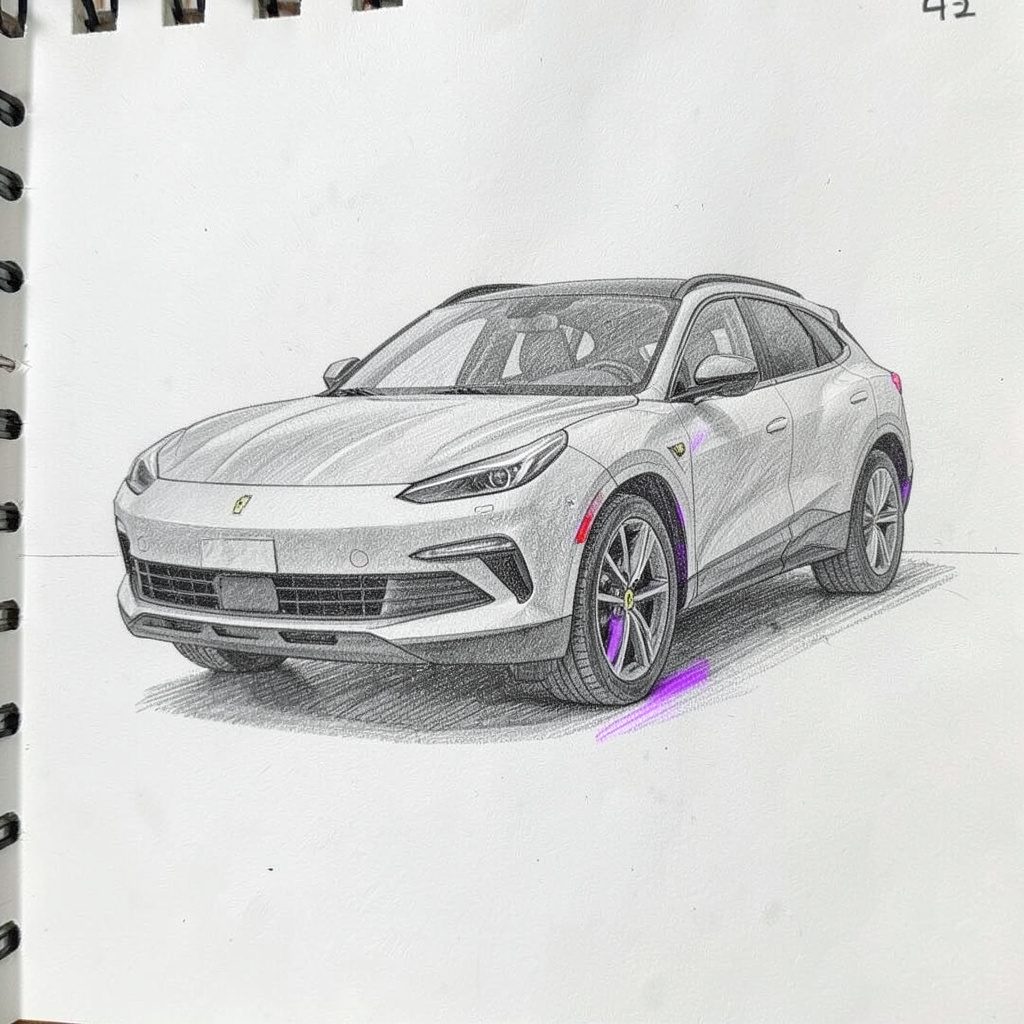
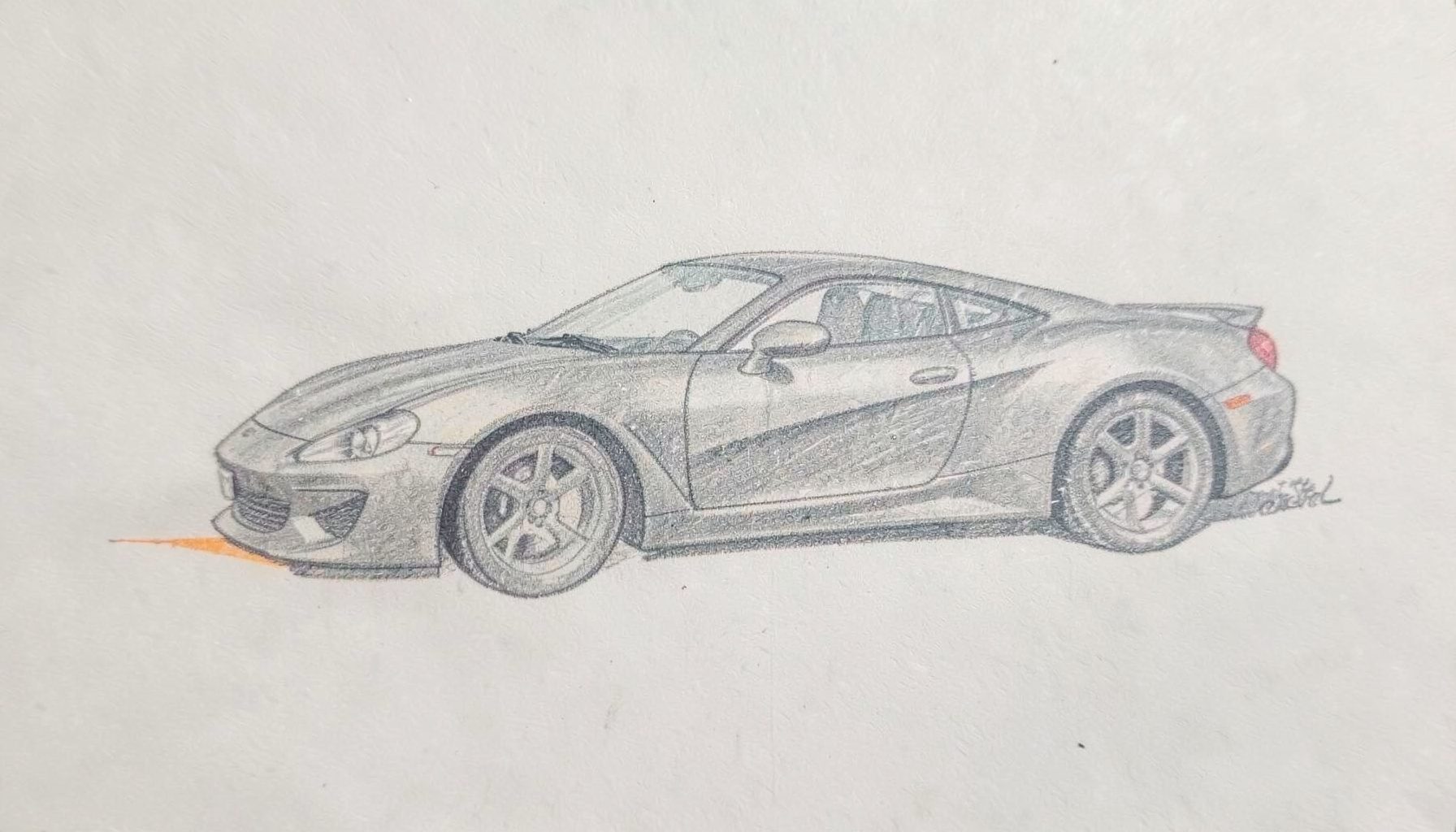
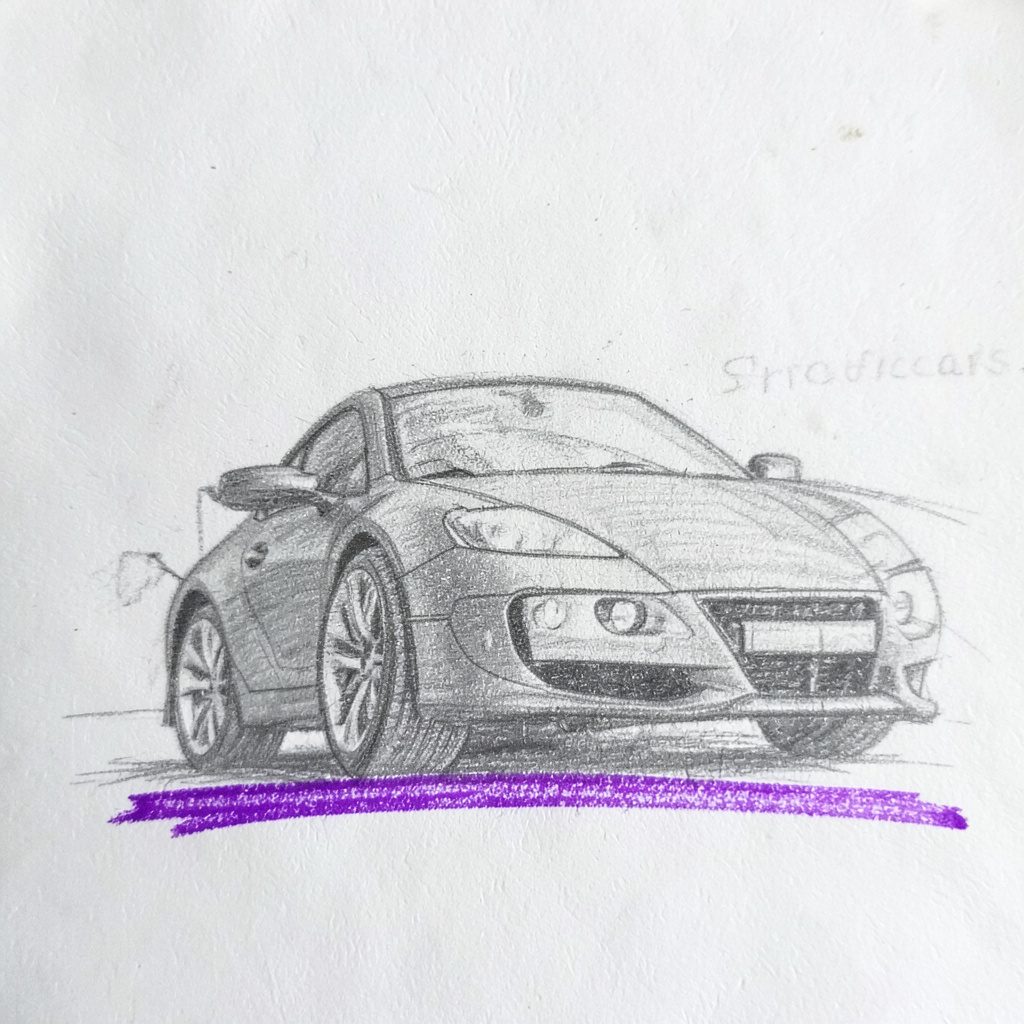
2023 Ferrari Roma Exterior
The Roma draws inspiration from classic Ferrari grand tourers of the 1960s, blending elegant proportions with modern aerodynamic efficiency. Its long front hood, swept-back cabin, and clean surfacing give it a refined yet athletic stance on the road.
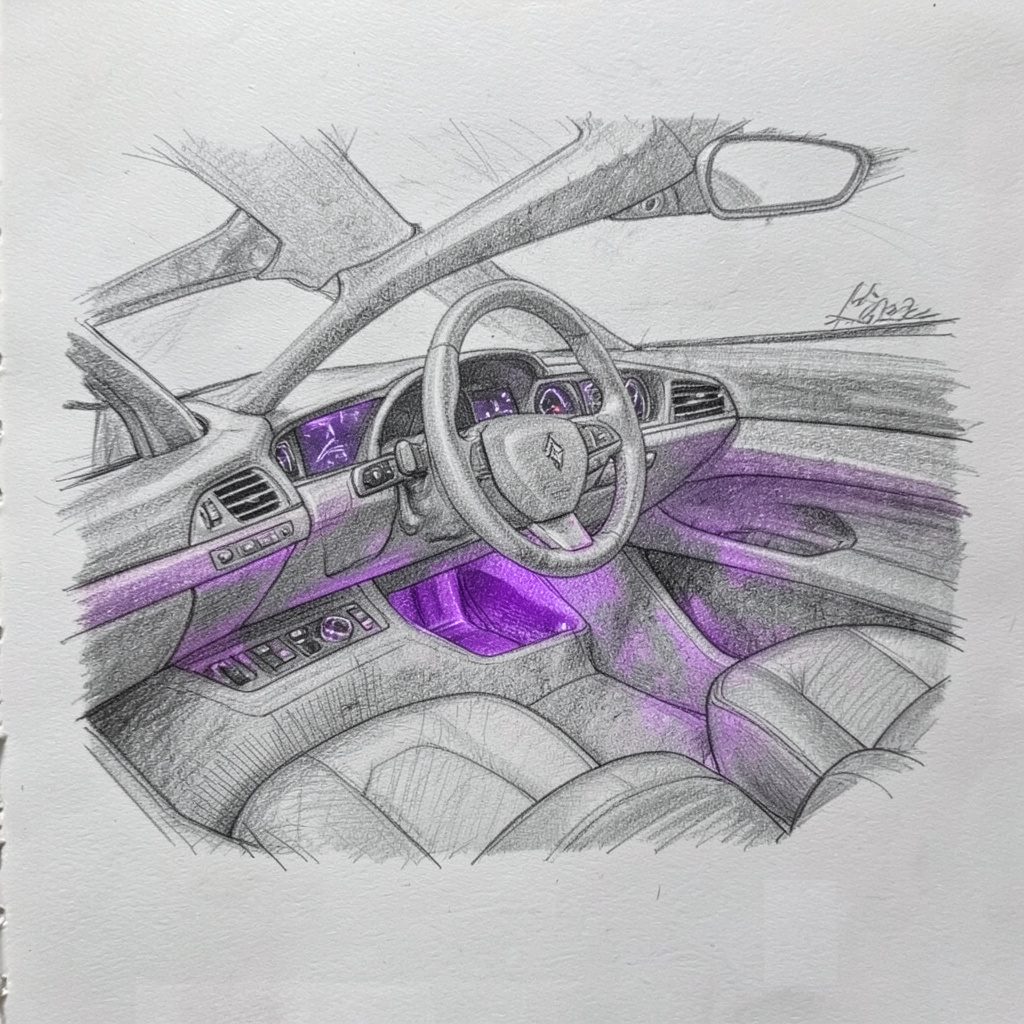
2023 Ferrari Roma Interior
Inside, the Roma features a driver-focused cockpit with dual-cockpit architecture that wraps around both driver and passenger. Premium leather, Alcantara, and carbon-fiber accents define the cabin, while a digital instrument cluster and central infotainment display keep technology at the forefront.
2023 Ferrari Roma Engine
| Engine | 6.5-liter V12 |
|---|---|
| Horsepower | 631 hp |
| 0–100 km/h | 3.4 seconds |
| Top Speed | 340 km/h (211 mph) The Ferrari Roma represents a modern interpretation of the grand touring concept, blending elegant proportions with formidable performance capabilities. With a top speed reaching beyond the 340 km/h mark, this front-engine V8 coupe delivers a driving experience that honors the brand's rich motorsport heritage while offering a more accessible, daily-driver character. The Roma's design language draws inspiration from the iconic Ferrari models of the 1960s, featuring clean surfaces and a sleek silhouette that prioritizes aerodynamic efficiency. Under the hood lies a powertrain engineered for both thrilling acceleration and refined cruising, making it a compelling choice for enthusiasts who value style, speed, and sophistication in equal measure. The evolution of modern sports cars continues to push boundaries in engineering and design, with manufacturers blending traditional combustion power with increasingly sophisticated hybrid technologies. This convergence allows for enhanced performance figures while addressing the growing demand for efficiency across the industry. Aerodynamics play a crucial role in shaping these vehicles, with extensive wind tunnel development ensuring stability at high speeds and improved cooling for powerful engines. The chassis and suspension systems have also advanced considerably, utilizing lightweight materials such as aluminum and carbon fiber to reduce weight while maintaining structural rigidity. These developments collectively contribute to the exhilarating driving dynamics that sports car enthusiasts have come to expect from contemporary offerings. The sports car market has seen remarkable diversification in recent years, with manufacturers offering a wider range of models spanning from entry-level performance coupes to exclusive hypercars. This segmentation allows buyers to find vehicles that match their specific preferences for power output, driving character, and daily usability. Enthusiasts can now choose between rear-wheel drive purity, all-wheel drive traction, or even electric powertrains that deliver instantaneous torque. The used sports car market also remains vibrant, providing opportunities for collectors and enthusiasts to acquire modern classics with characterful naturally aspirated engines before the industry's full transition toward electrification. This dynamic landscape ensures there is something for every budget and taste within the sports car segment. The driving experience remains at the heart of every true sports car, with manufacturers focusing on the connection between driver and machine through precise steering feedback, responsive throttle mapping, and carefully tuned suspension systems. Modern sports cars incorporate drive mode selectors that allow the driver to adjust the vehicle's character from comfortable touring to track-focused aggression at the push of a button. The sound of a high-performance engine, whether a naturally aspirated V12 or a turbocharged V8, contributes significantly to the emotional engagement that separates a mere mode of transport from a genuine driver's car. Interior design has also evolved to prioritize driver-centric layouts, with controls positioned for intuitive operation during spirited driving sessions on winding roads or closed circuits. The heritage of sports car manufacturing is deeply rooted in motorsport competition, where technological advancements developed on the racetrack eventually find their way into production models. This trickle-down effect has resulted in road-legal vehicles benefiting from racing-derived innovations in braking systems, suspension geometry, and engine management. The community surrounding sports car culture continues to thrive through organized driving events, track days, and enthusiast gatherings that celebrate both classic and contemporary machinery. Owners take pride in maintaining their vehicles and sharing their passion with like-minded individuals who appreciate the artistry and engineering that goes into creating these machines. This enduring enthusiasm ensures that the sports car segment remains vibrant and relevant even as the automotive landscape evolves. |
The naturally aspirated V12 delivers linear power and a signature Ferrari exhaust note, paired with an advanced dual-clutch transmission for rapid gear changes.
2023 Ferrari Roma Price
Pricing for the 2023 Ferrari Roma was expected to start in the range of approximately $220,000 to $250,000, depending on options and market. As with all Ferrari models, extensive personalization through the Tailor Made program can raise the final figure considerably.